

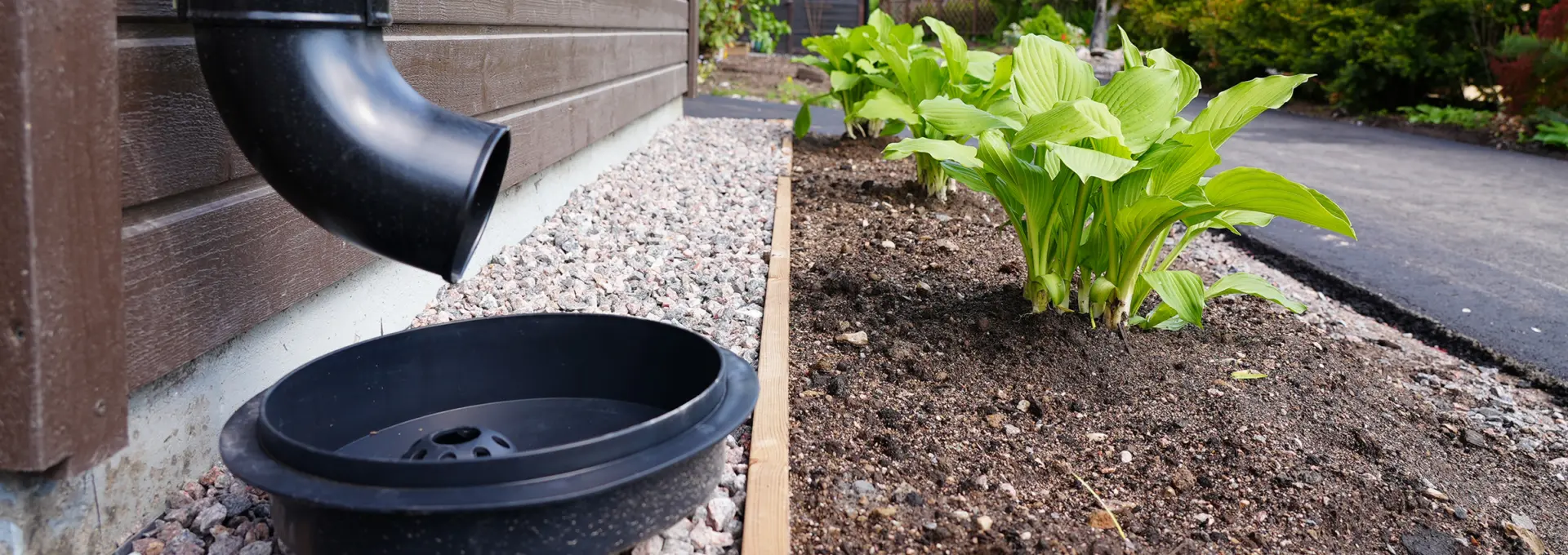
Dry foundations are the foundation of a healthy property
A functional drainage system is a key part of a property’s moisture management and the longevity of its structures. Vesivek is Finland’s most experienced provider of drainage system renovations, with a track record of over 4,000 projects. We provide a comprehensive service for drainage system renovations in housing cooperatives, using our own installers and equipment, which ensures controlled execution, adherence to schedules, and clear accountability throughout the entire project.
Why is drainage renovation important?
Effective water management protects the property
The purpose of drainage pipes is to direct rainwater and meltwater away from a building’s foundation in a controlled manner. When water management works properly, the structures remain dry and the property stays safe and in good condition over the long term. An effective drainage system is, in fact, one of the most important components for protecting the structures throughout the entire property.
Inadequate or outdated drainage systems can cause moisture to accumulate in the foundation and increase moisture stress on the structure. These problems often manifest as dampness in basements, damage to the foundation, subsidence in the yard, or water accumulation near the building. If left unaddressed, moisture can deteriorate the condition of structures, increase the need for repairs, and also affect indoor air quality.
A drainage system renovation updates a property’s water management to meet current requirements and the building’s needs. At the same time, this can improve stormwater management, protect foundations from moisture, and extend the lifespan of the entire property. Properly installed drainage helps prevent major damage and makes property maintenance more predictable.
The Most Common Signs of Problems with Drainage Pipes
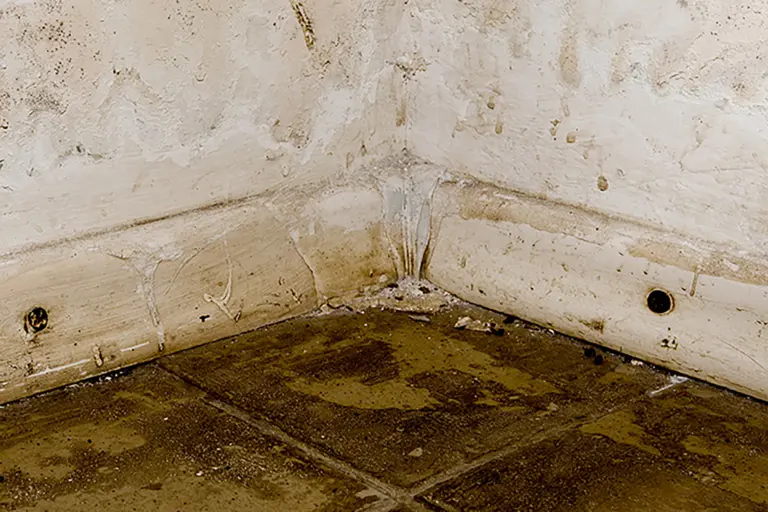
Dampness in the basement, musty indoor air
A musty odor in the basement, damp surfaces, or visible signs of moisture may indicate that water is not draining away from the building effectively enough. Prolonged exposure to moisture can weaken the condition of the structures and affect indoor air quality.
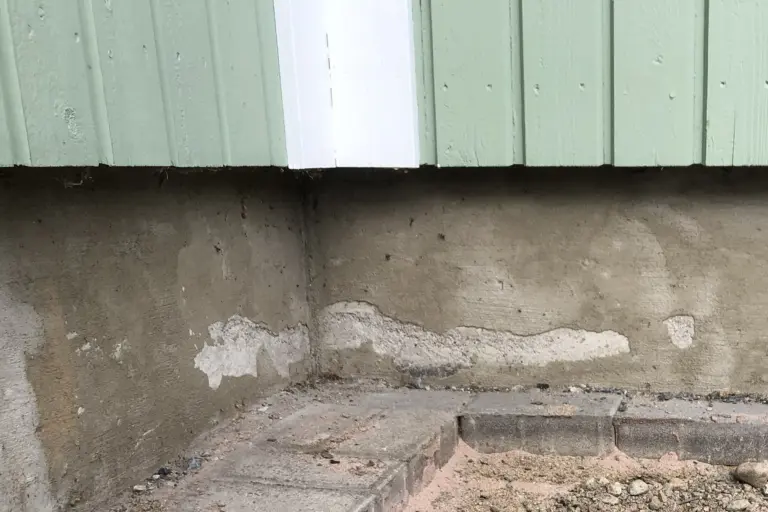
Crumbling of the foundation
A cracked, crumbling, or moisture-damaged foundation is often a sign of inadequate water management. Malfunctioning drainage systems can increase moisture stress on the foundation and accelerate structural deterioration.
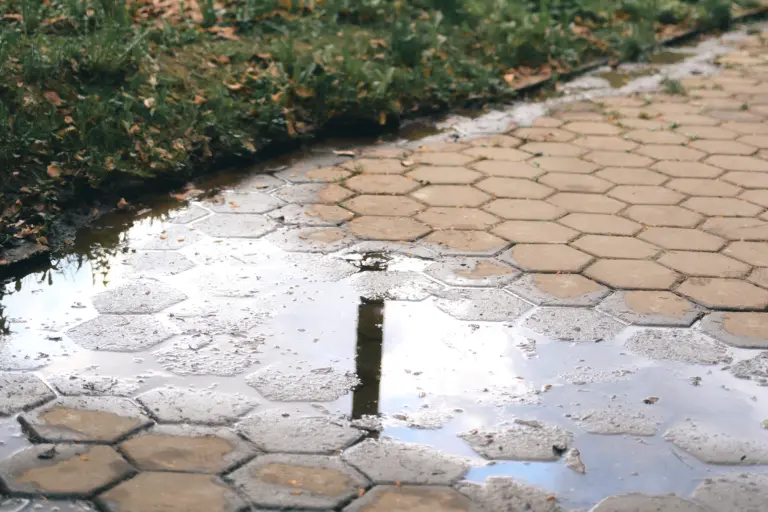
Poor drainage in the yard
If outdoor areas remain wet for a long time after rain or if water does not drain away normally, the drainage system may not be functioning properly. Inadequate drainage can lead to moisture buildup near the building.
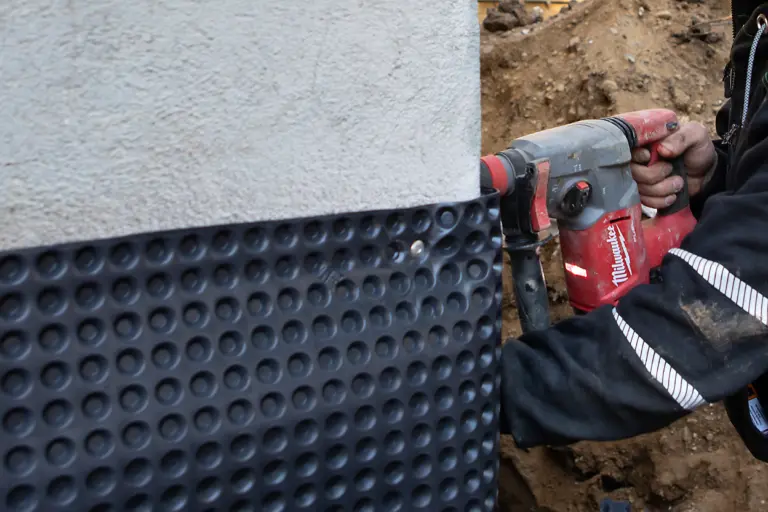
Missing dam plate
If the foundation is not protected by a damp-proof membrane or other moisture barrier, moisture can seep into the foundation and the structure of the home. A damp-proof membrane is a black, textured plastic sheet, the edge of which should be visible above ground level.
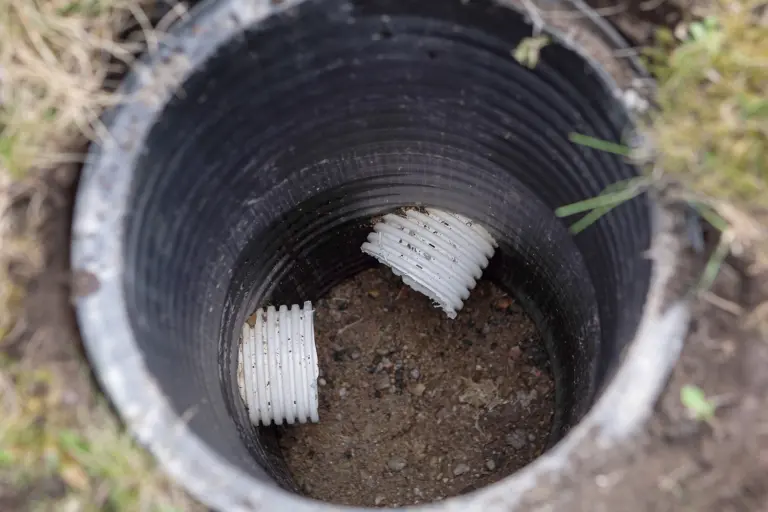
Rising water level in the inspection well
If there is an inspection well for the drainage pipes in your yard, you should check it regularly. If the pipes visible in the well are submerged, or if you don’t see any water flowing at the bottom of the well after it rains, there is likely a blockage in the pipes.
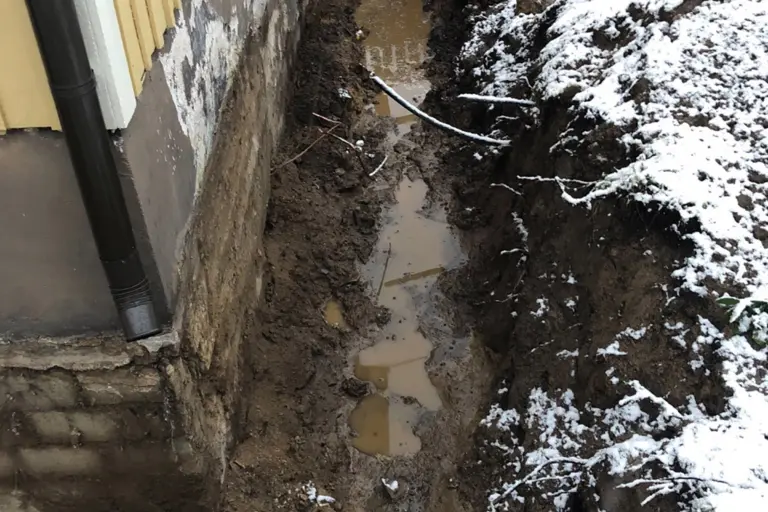
Fine-grained soil next to the foundation
The backfill around the foundation should consist of coarse drainage gravel. This directs moisture down into the drainage pipes and creates a capillary break next to the foundation. Fine-grained sand, clay, or loam will keep the stone footing constantly wet.
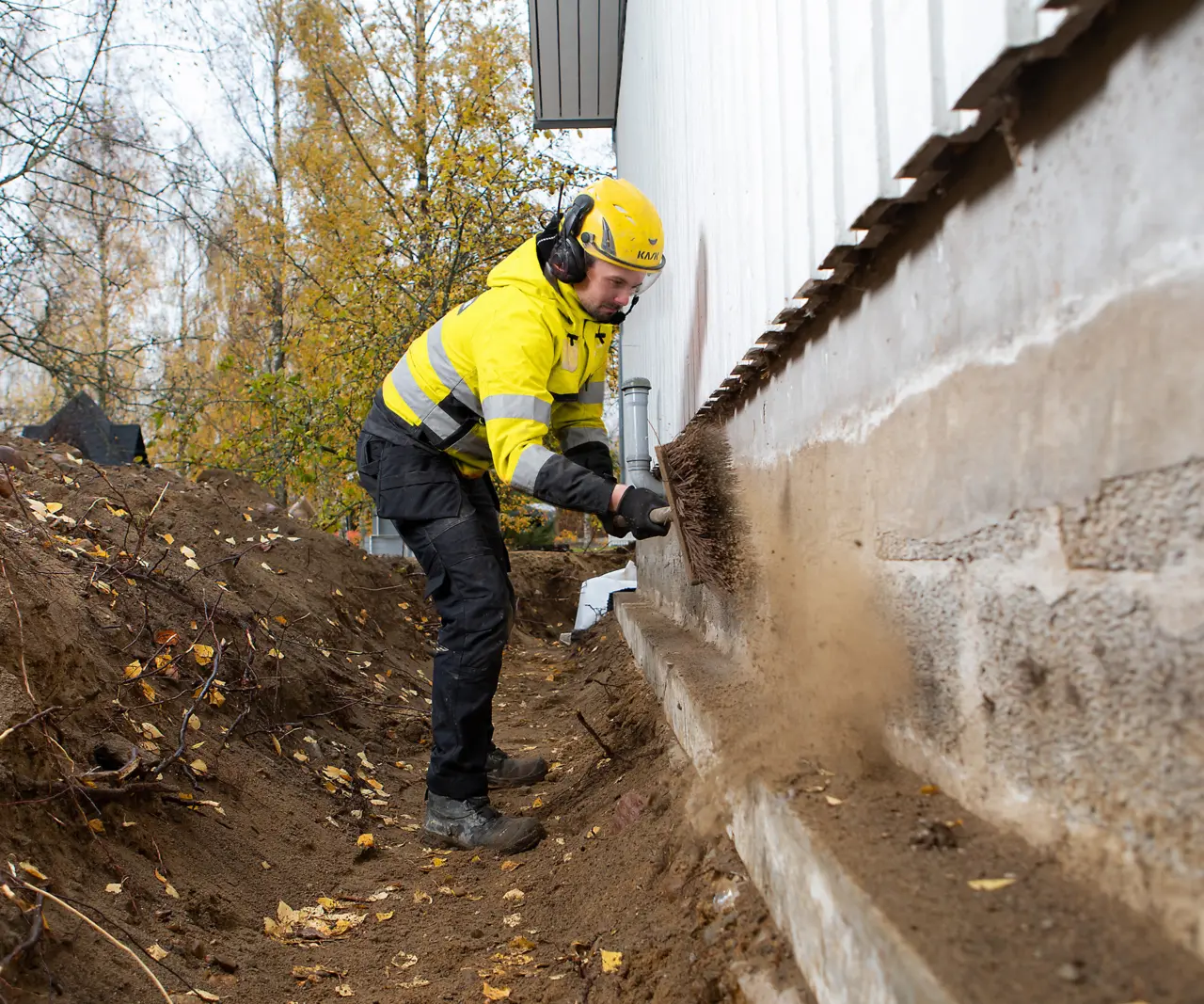
Drainage renovation step by step
Subsoil drainage repairs are always planned on a case-by-case basis to ensure that the solution is tailored to the property’s structure and water management needs. The work begins by excavating the foundations, after which the underground drainage, stormwater drainage, and necessary moisture control structures are replaced. Finally, the yard areas are finished and the job site is cleaned up.
The renovation is carried out continuously from start to finish, which helps keep the project on schedule and minimizes disruption to residents. Drainage system renovations can be carried out safely and efficiently year-round, even in winter, when the right equipment, careful planning, and an experienced installation team are in place. Renovations carried out in the winter can simplify scheduling and minimize the impact on yard areas.
Popular Services for Housing Companies
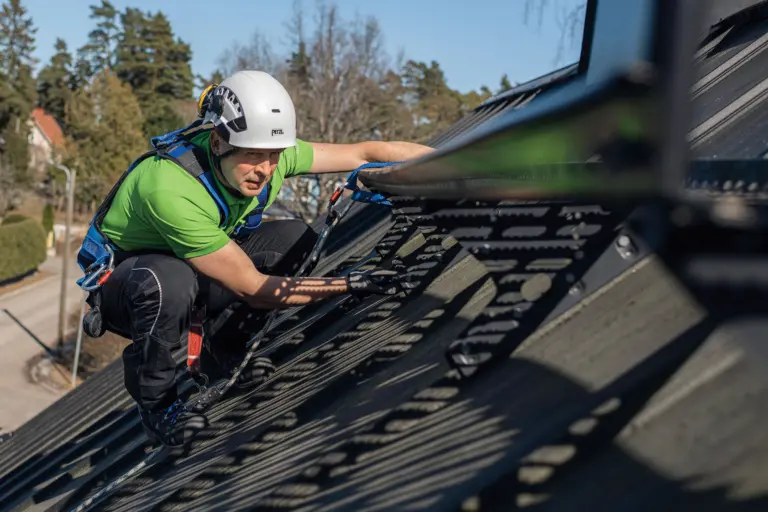
Roof Condition Inspection and Report
A condition inspection provides a comprehensive assessment of the current condition of the roof and its associated structures. The inspection helps identify any potential repair needs in a timely manner and provides a clear basis for maintenance planning and decision-making within the housing association.
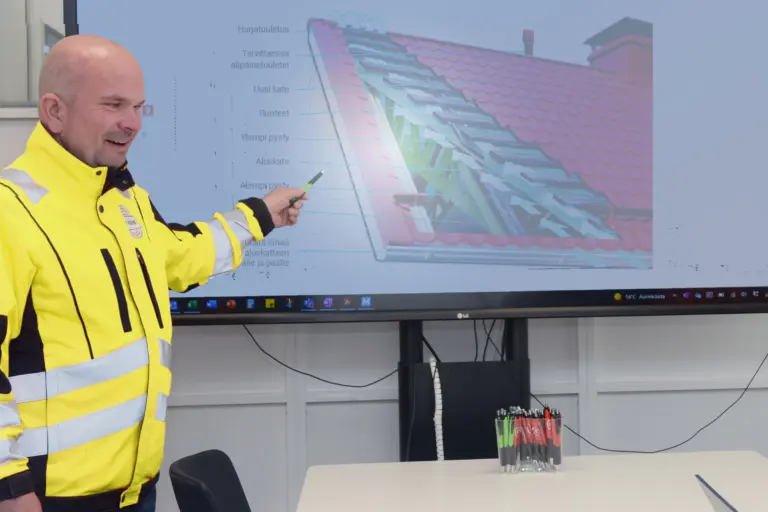
Roof Repair Plan
A roof repair plan provides the housing association with a clear overview of the necessary repair measures and how they will be carried out. An illustrated report, repair recommendations, and a template for requesting contractor bids facilitate renovation planning, competitive bidding, and decision-making.
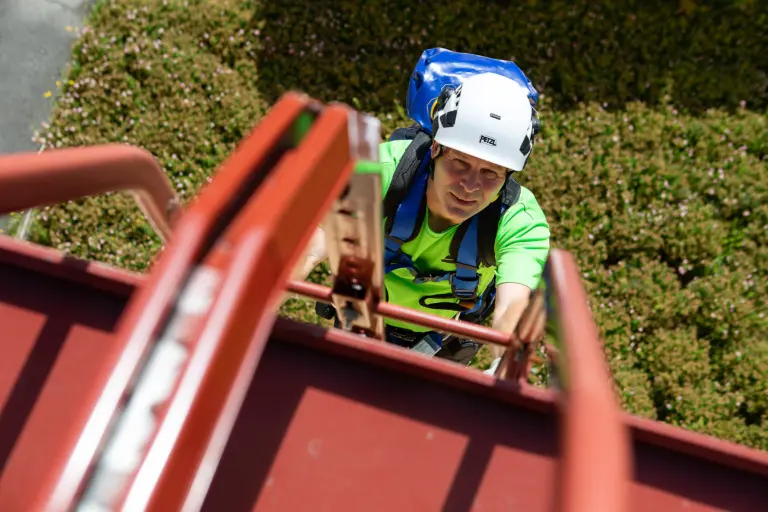
Roof Safety Inspection and Report
A roof safety inspection provides a clear overview of the current state of a building’s roof safety and any potential risk areas. An illustrated report and recommendations for improvements support safety improvements, maintenance planning, and budgeting for the housing association.
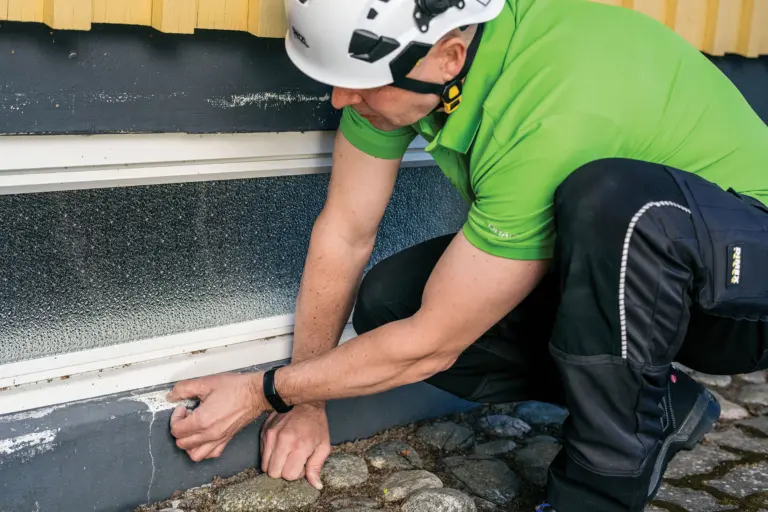
Condition Inspection and Report on Subsurface Drainage Pipes
A condition inspection of drainage pipes provides a clear overall picture of the current state of a property’s water management and foundations. A written and illustrated report helps identify potential risk areas in a timely manner and supports maintenance planning and decision-making within the housing association.
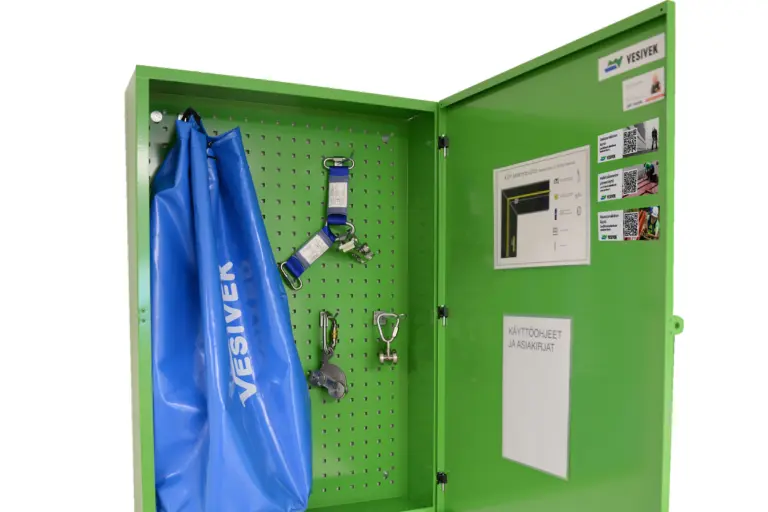
Security Cabinet
The Vesivek safety cabinet helps keep documents related to roof safety and fall protection equipment organized and easily accessible on the property. The cabinet includes storage solutions for documents and equipment, as well as QR codes for instructional videos on safe use. Safety equipment must be ordered separately.
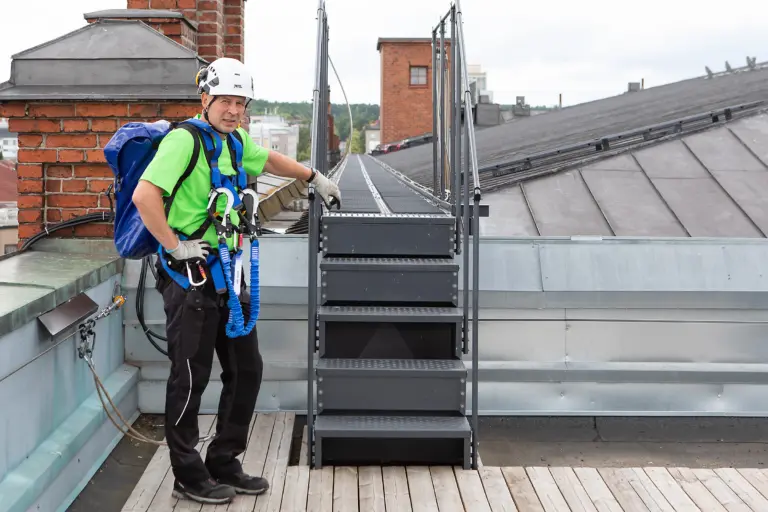
Periodic Inspection of Safety Equipment
Periodic inspections of safety equipment ensure that personal fall protection equipment is safe to use and meets legal requirements. Documentation from the inspection is provided to support property maintenance and safety.