Foundation drainage renovation protects your home’s foundation from moisture


Foundation drainage renovation is one of the most critical home improvement projects, and it must be done professionally and in a timely manner. A properly functioning drainage system protects your home’s structure by keeping moisture away from the foundation. We are Finland’s leading provider of drainage system renovations, with experience in over 4,000 such projects.

A healthy house needs properly functioning drainage systems
Soil moisture consists of moisture rising by capillary action from the groundwater, as well as rainwater and meltwater. Depending on the construction site, the amount of water can be as high as 250,000 liters per year.
To keep a property in good condition and ensure the longevity of its structures, it needs proper drainage. Excessive moisture stress on the foundation can manifest as cracks and discoloration in the foundation, as well as musty indoor air.
If the building’s foundation is not protected by proper drainage, moisture can rise into other parts of the home and damage them. If the stone foundation remains constantly wet, it will lead to structural deterioration and, in the worst case, mold and indoor air quality problems.

What is a foundation drainage system?
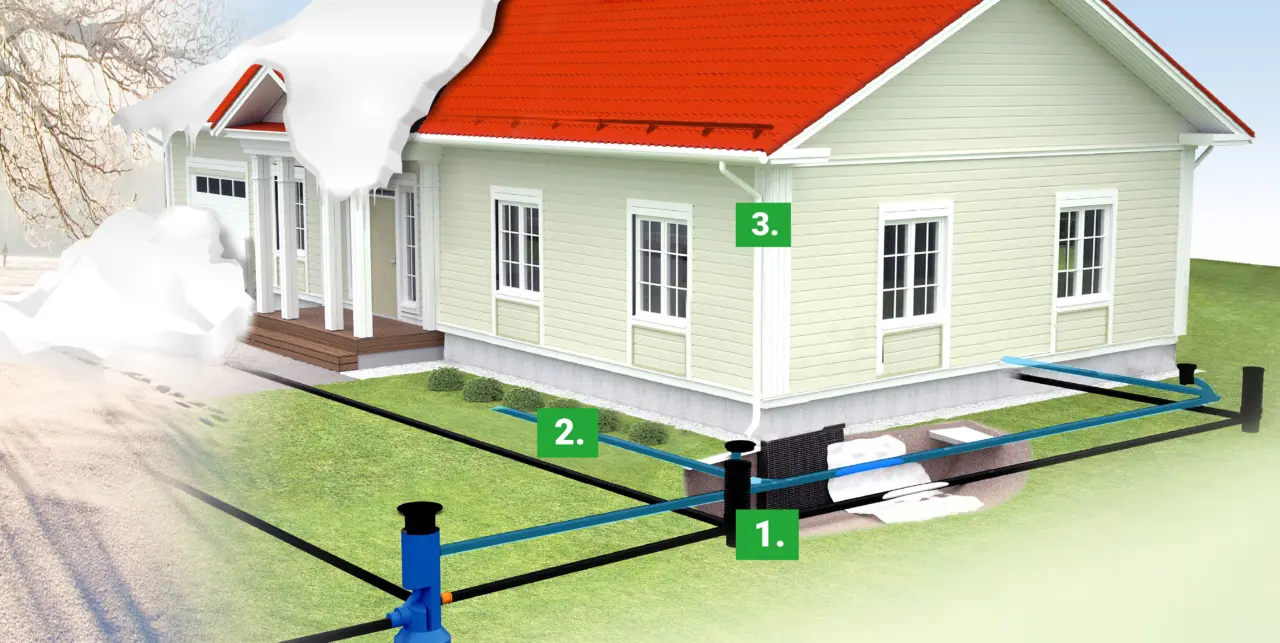
A foundation drainage system consists of pipes running alongside the property’s foundations and below their lower edge. The drainage pipes have holes that allow them to collect moisture from the soil. Due to the slope of the piping, water flows by gravity away from the house and into a sump pit.
The average lifespan of a drainage system is 30–40 years. Drainage systems became mandatory in 1999, but it wasn’t until the 2000s that people began to understand the true importance of drainage for home health.
However, a drainage system involves much more than just pipes. Three systems are needed to manage soil moisture as well as rainwater and meltwater: foundation drainage system, rainwater systems, and stormwater sewer system. They all play an important role in managing external moisture.
Signs of a Deficient Foundation Drainage System
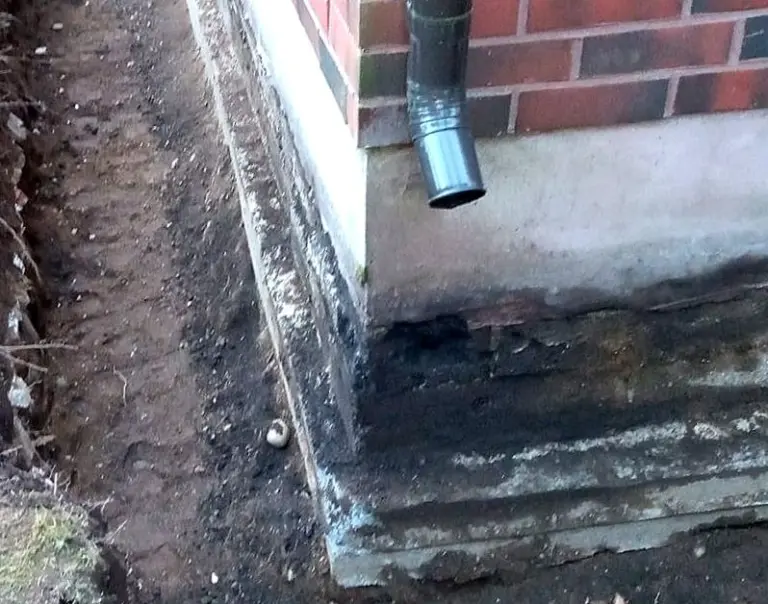
Mold, discoloration, or cracks in the foundation
Moss growth, dark spots, and lime efflorescence on the foundation are signs of moisture. Moisture attracts moss, which attaches itself firmly to the foundation’s structure. The growth also begins to use the plinth’s lime and minerals as nutrients, which further erodes the plinth.
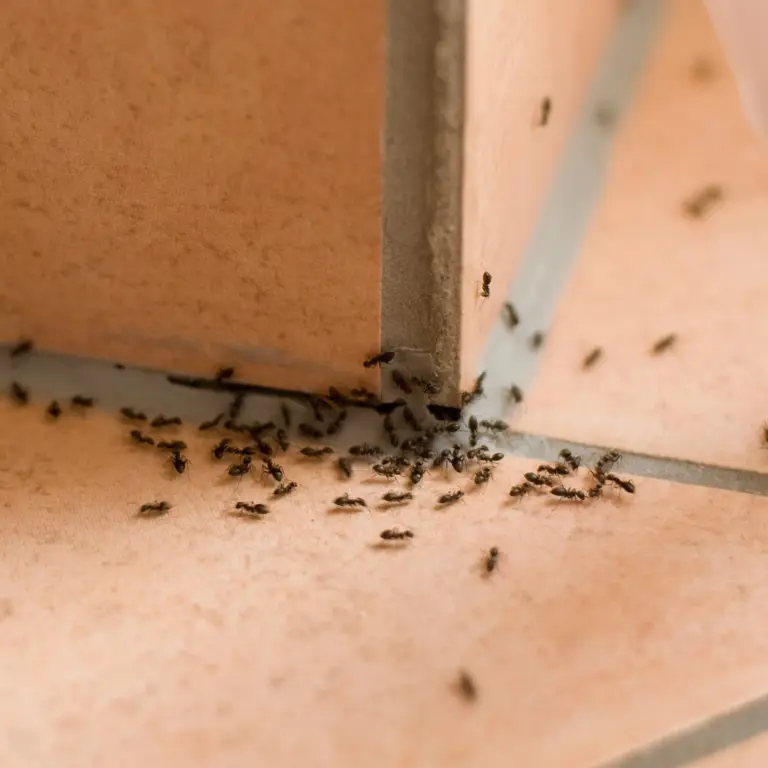
Ants Inside
If the ants do not disappear over the winter, there is likely moisture in the structures, as ants require moisture to survive. Ants thrive in various areas affected by moisture and rot, where they nest and feed on fungal mycelia that break down wood for sugar.
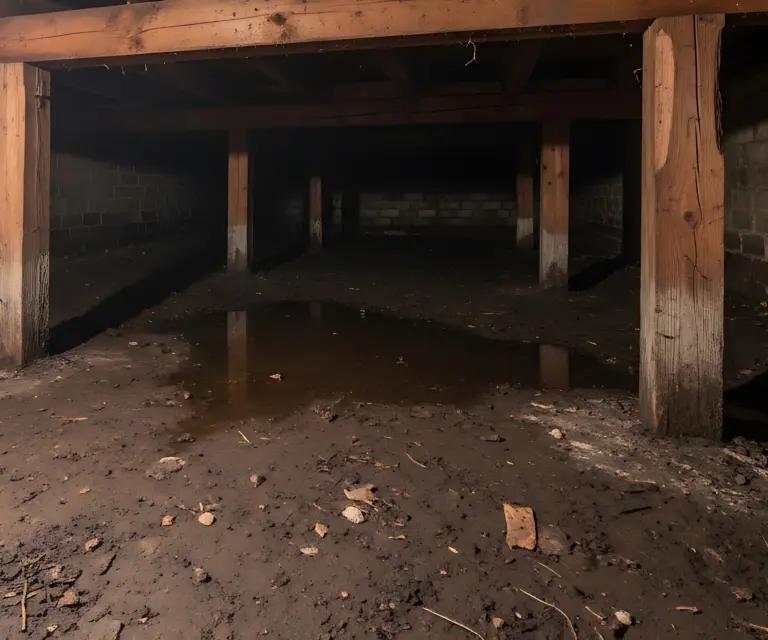
The musty smell of a root cellar
A musty smell in the home is one symptom caused by mold and mildew growth resulting from moisture. However, a musty smell does not always mean that the house has serious moisture problems. The problem may be caused by poor ventilation, for example. It’s always important to determine the cause of the odor, though.
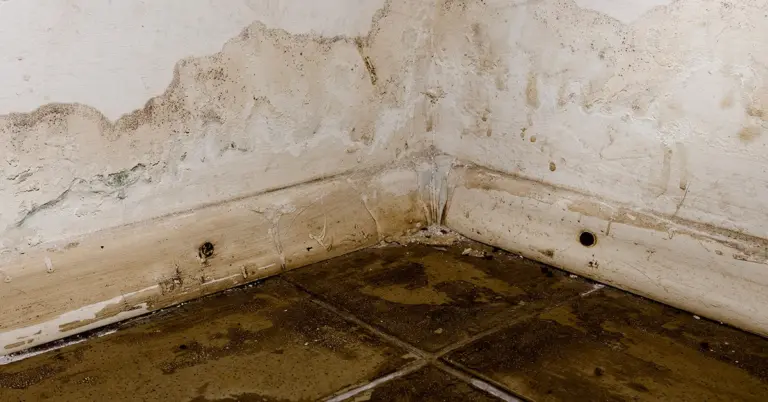
Water in the basement
Excess water often ends up in the basement as a result of a malfunctioning drainage system. Old drainage pipes—for example, in a pre-war house—may be clogged or damaged, preventing moisture in the soil from draining away from the structures.
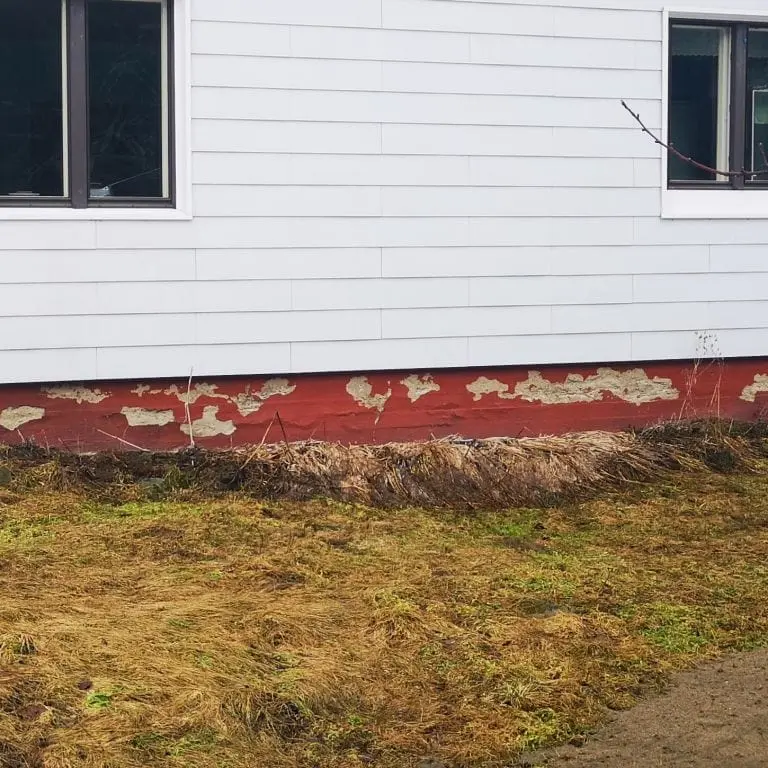
The retaining wall panel is missing; the wrong type of soil
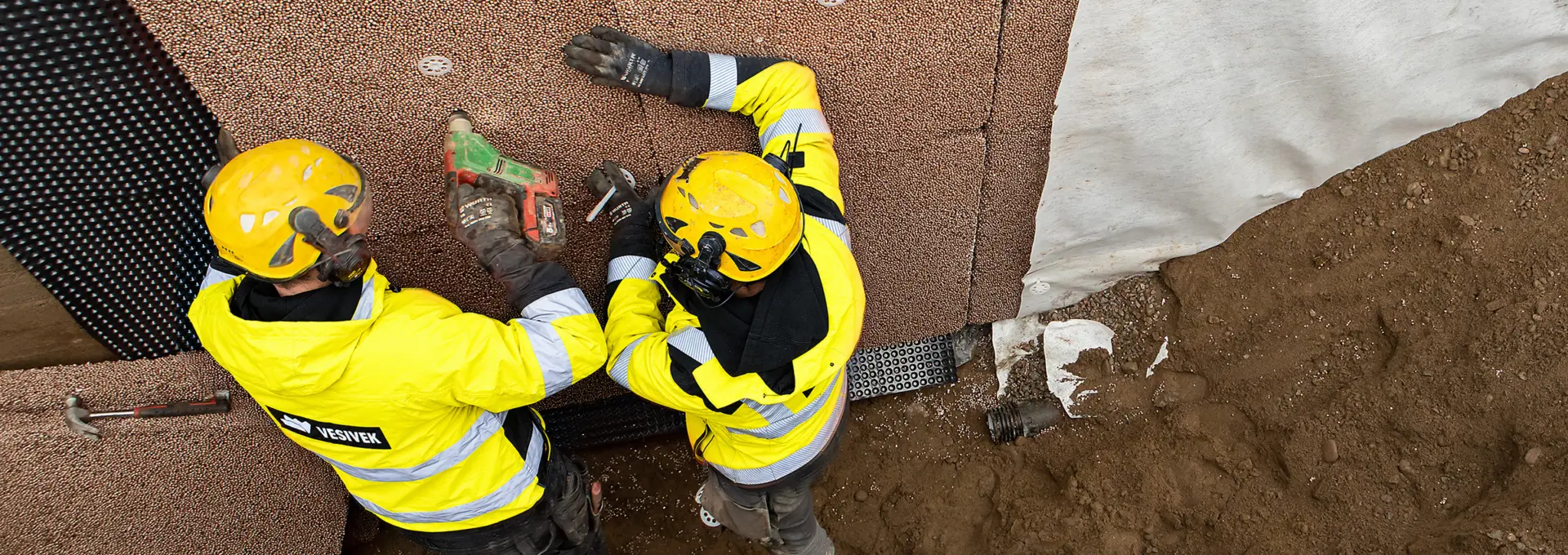
The barrier board is installed against the foundation. Its purpose is to prevent moisture in the soil from being absorbed into the foundation. Thanks to the ridges, an air gap is created between the board and the foundation, allowing the foundation to “breathe.” A warm foundation releases moisture outward; this moisture condenses on the protrusions of the barrier board and drains into the drainage system.
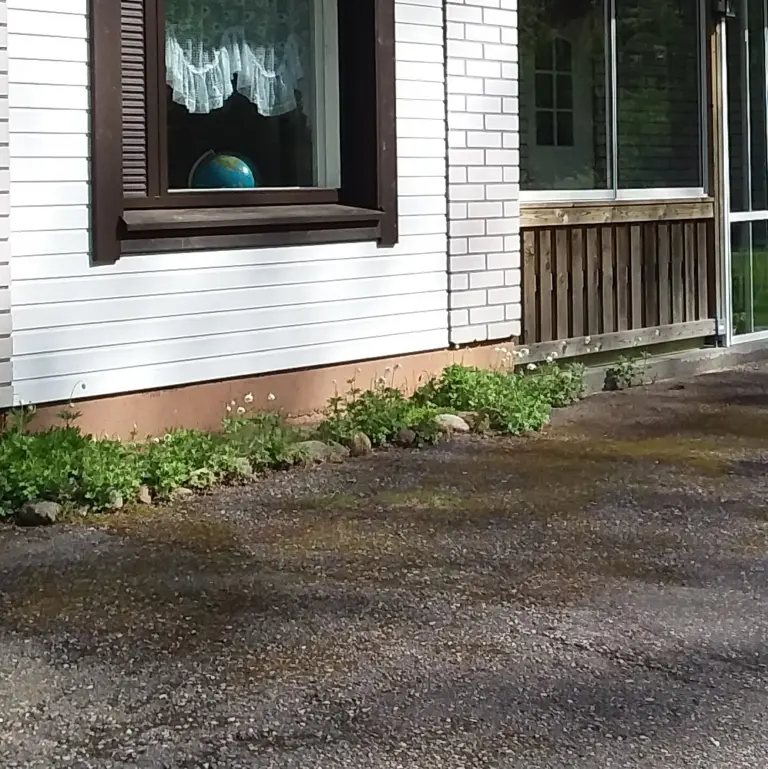
Incorrect ground slopes
To prevent rainwater and meltwater from flowing against the foundation, the ground surface must be sloped away from the building. The ground surface must be graded at a slope of at least 1:20 (5 cm per meter) for a distance of three meters away from the building.
Wondering about home drainage? We’re here to help.

A comprehensive service for water supply and drainage from the house
We provide everything you need for outdoor moisture control — foundation drainage systems, stormwater drainage, gutters, roof protection, and roofs. Our experts understand the big picture and know how to best protect your home from water and moisture.
Conceptual Design for the Installation of Drainage Pipes
Our drainage renovation units only handle drainage work, not earthwork. There’s a definite difference. Foundation drainage system repairs involve many critical steps. Quality and deadlines are met when the work is done by professional installers and carried out continuously until completion.
A thoroughly documented project
Our renovation projects are based on a thorough, documented condition survey and a plan developed based on that survey. All stages of the drainage system renovation are documented and reported to the customer.
Renovations Even in Winter
We perform foundation drainage system repairs and condition inspections year-round, including in the winter. Our experienced installers, a well-honed installation process, and a summer machine used for thawing the ground ensure a smooth project. Drainage system repairs for single-family homes are completed in an average of five days.
What are the steps involved in repairing a drainage system?
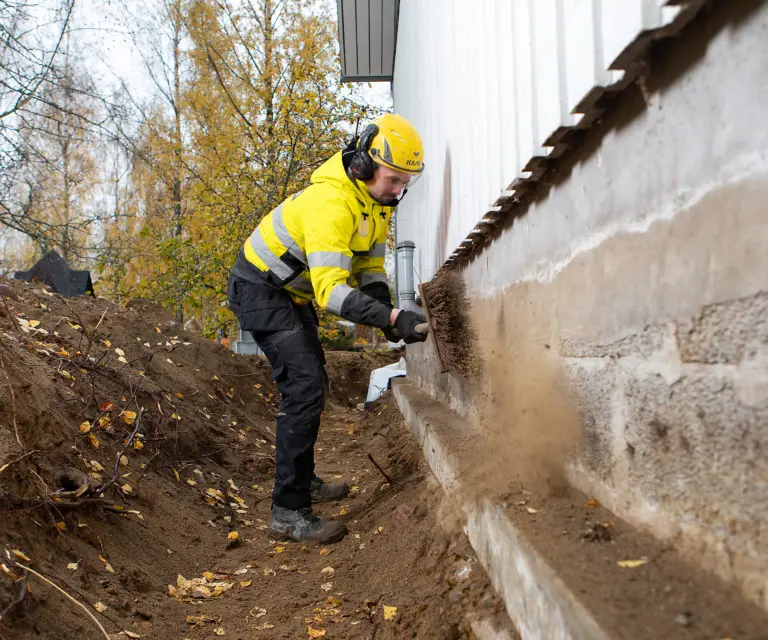
The foundation is excavated below the footing, the base is brushed clean, and any debris is leveled out.
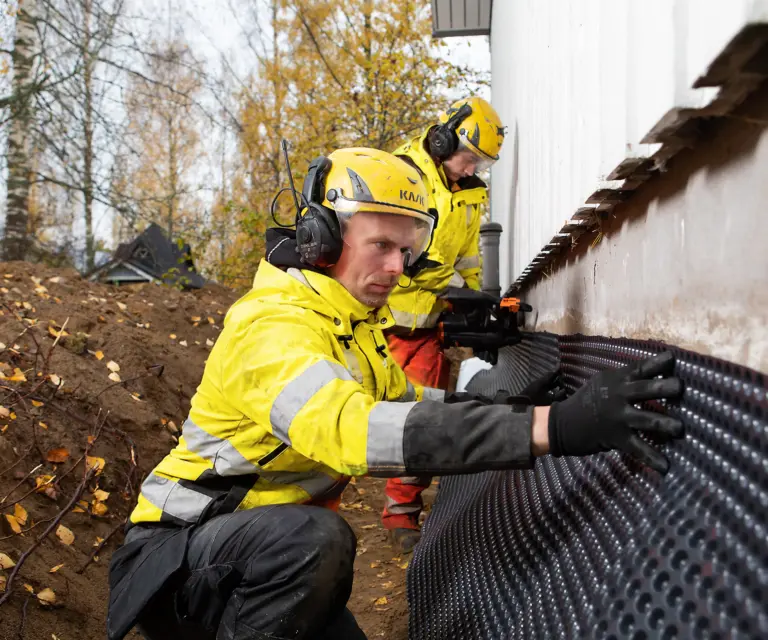
If necessary, a beveled pour is made on the foundation with a footing. A damp-proof membrane is installed against the foundation as a moisture barrier.
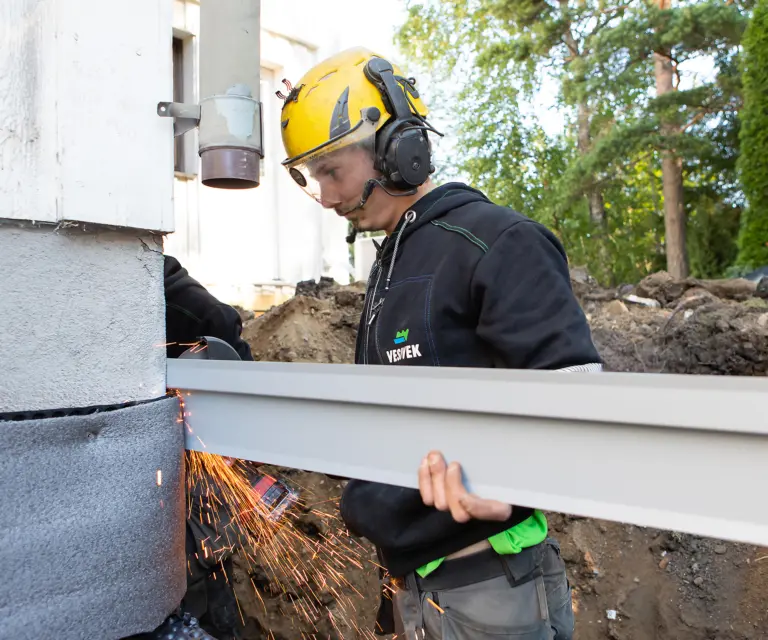
Install a foam protective mat against the dam plate. Install the protective strip on the dam plate.
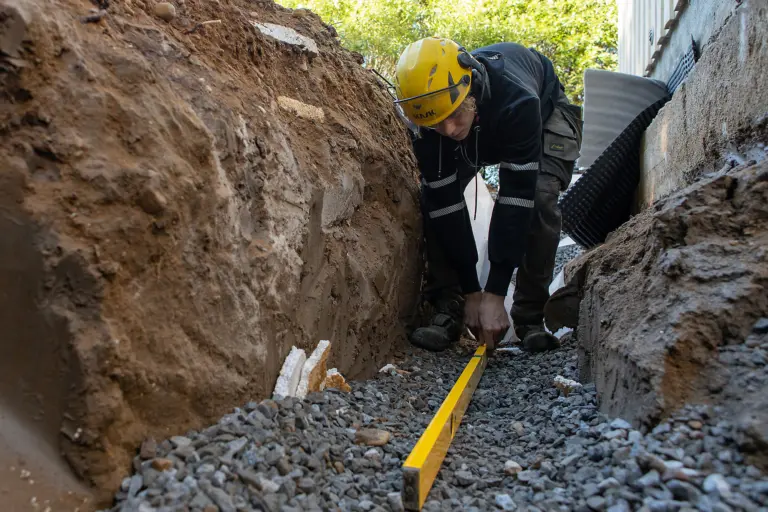
Let’s check the slopes.
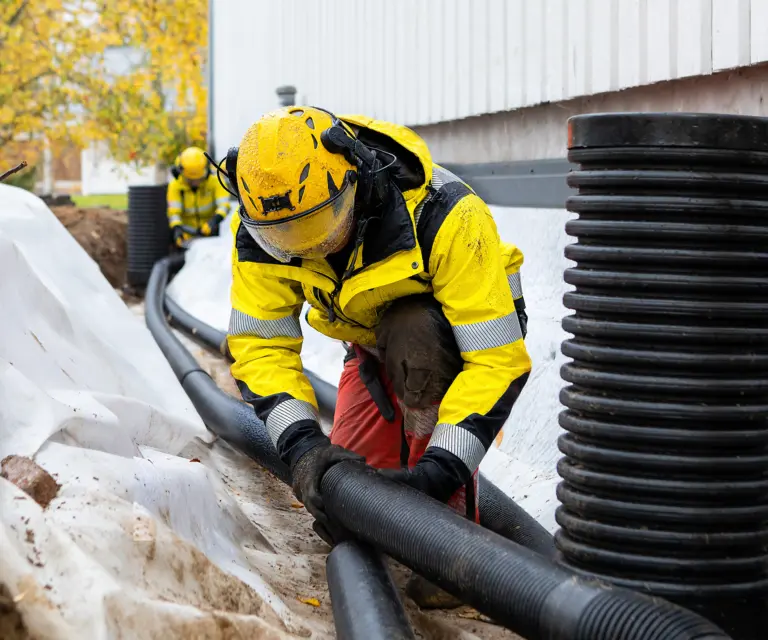
We will install filter fabric, drainage and stormwater piping, inspection and gutter wells, and a groundwater well.
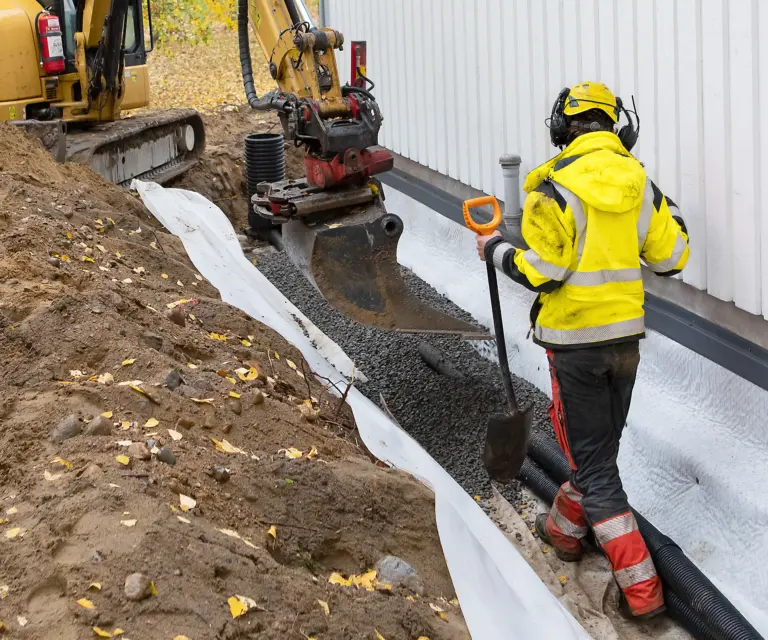
The drainage pipes are surrounded by drainage gravel.
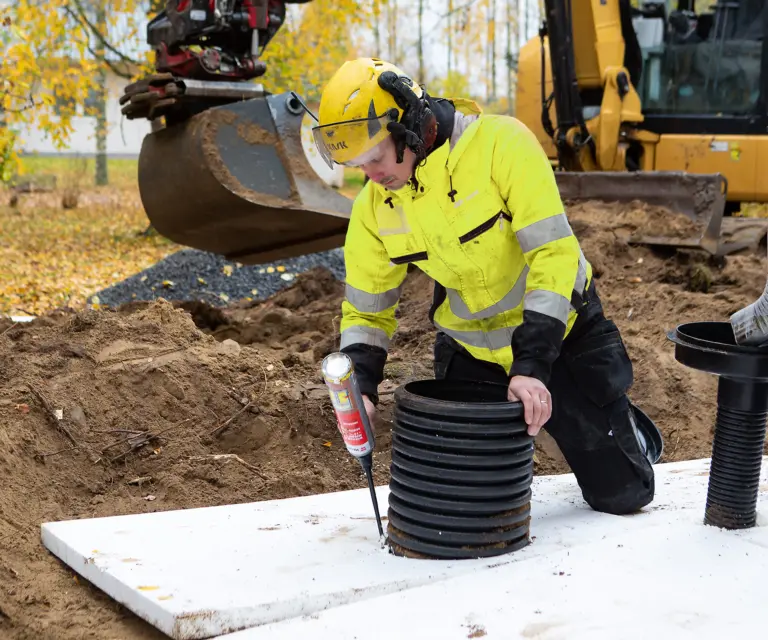
Install frost protection and grade the ground. Dig a drainage ditch.
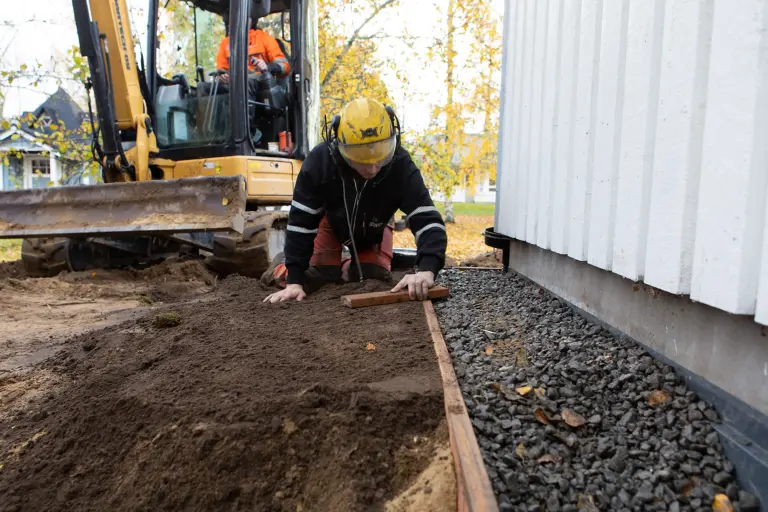
Let’s make a capillary gravel border and install the wooden frames.
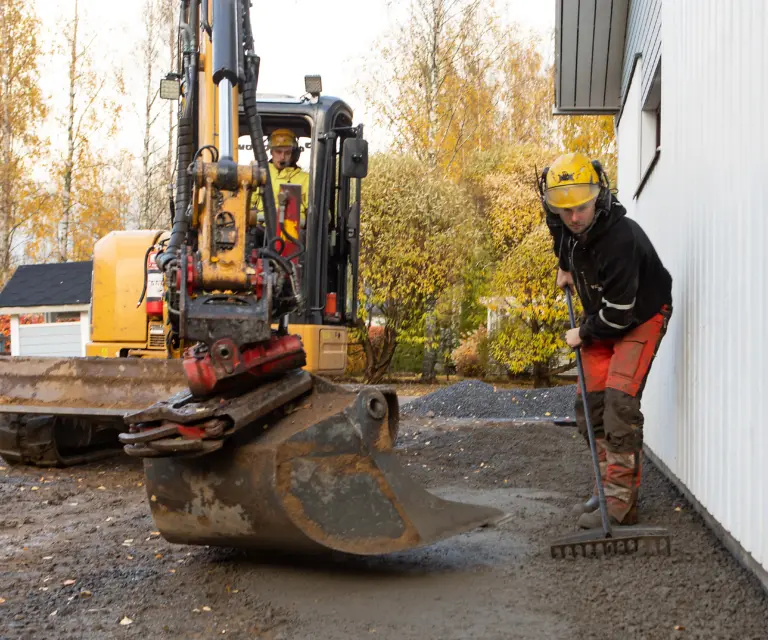
The yard will be cleaned up and tidied.