

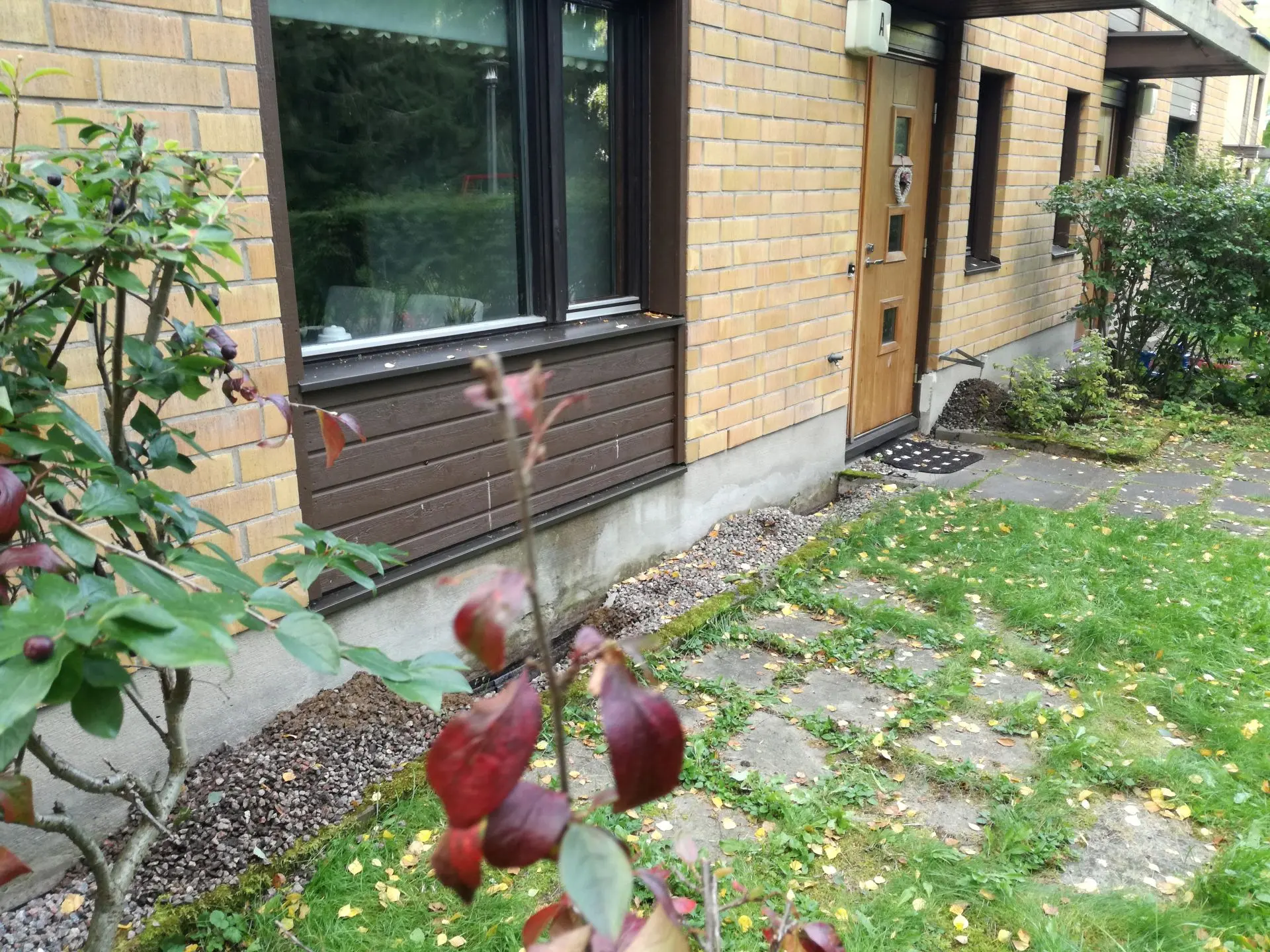
What Are the Signs of Problems with the Foundation Drainage System?


The importance of foundation drainage systems was not fully understood until the 2000s, which is why older systems are often inadequate or have reached the end of their service life. It is important to regularly monitor the condition of the drainage pipes and the foundation. It is advisable to identify the causes of cracks and moisture in a timely manner, as prolonged moisture can damage the foundation and other structures.
The Most Common Problems with Subsurface Drainage
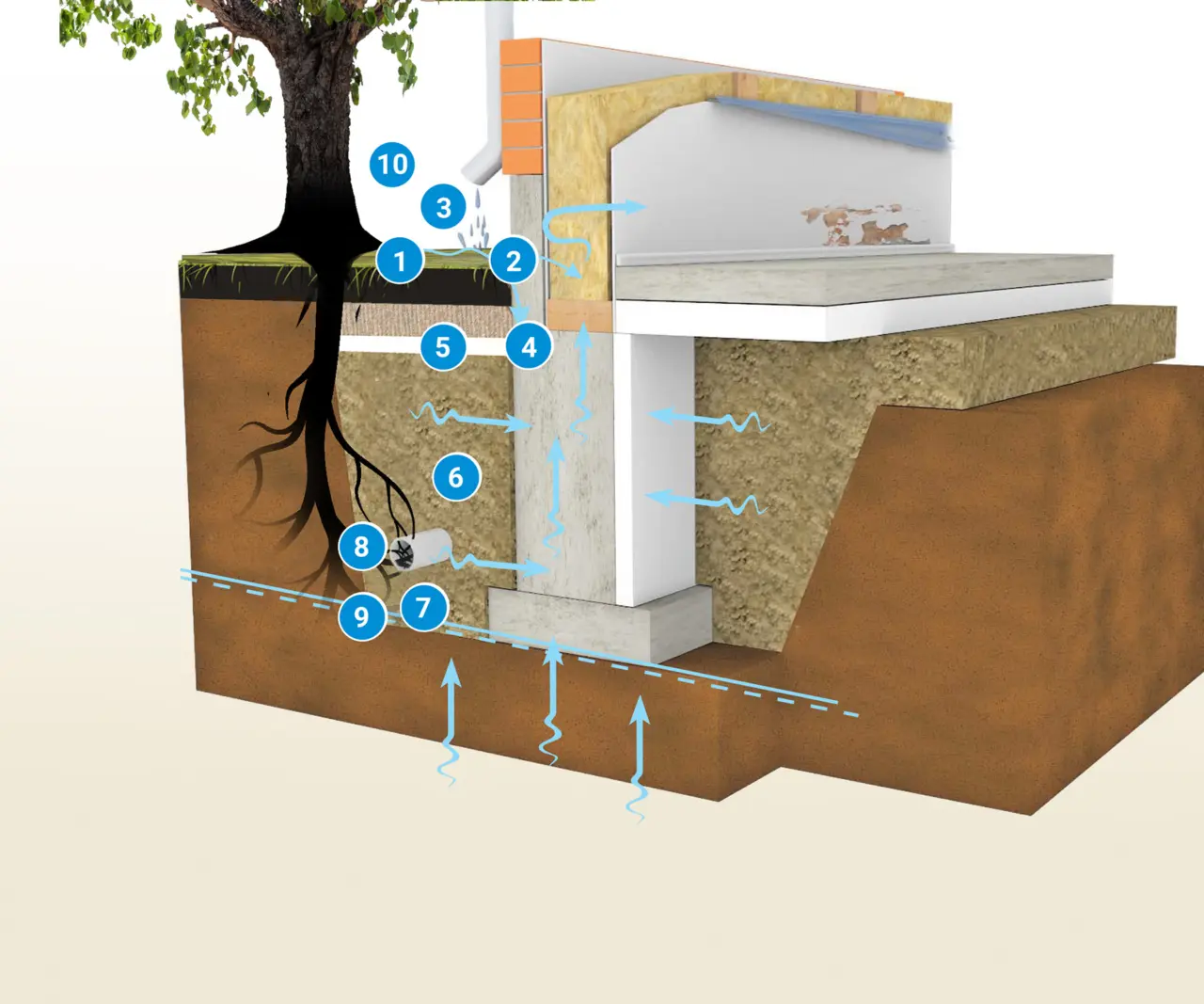
10 Potential Problems with a Foundation Drainage System
- There is no ground slope, or the ground slopes in the wrong direction
- Lawn, topsoil, and soil materials/fine sand are attached to the foundation
- Water flows directly from the downspouts next to the foundation
- The dam plate is missing
- The frost insulation consists of waterlogged and overly thin Styrofoam, or is missing entirely
- Fine-grained soil keeps the foundation moist
- The drainage pipe has been installed too high; it is a single-wall pipe with a diameter of 70 mm, which is undersized.
- Fine-grained soil and, for example, tree roots have clogged the drainage pipes
- There is no filter fabric, causing the subgrade and the backfill for the drainage pipes to mix together
- There are no inspection wells for the drainage pipes
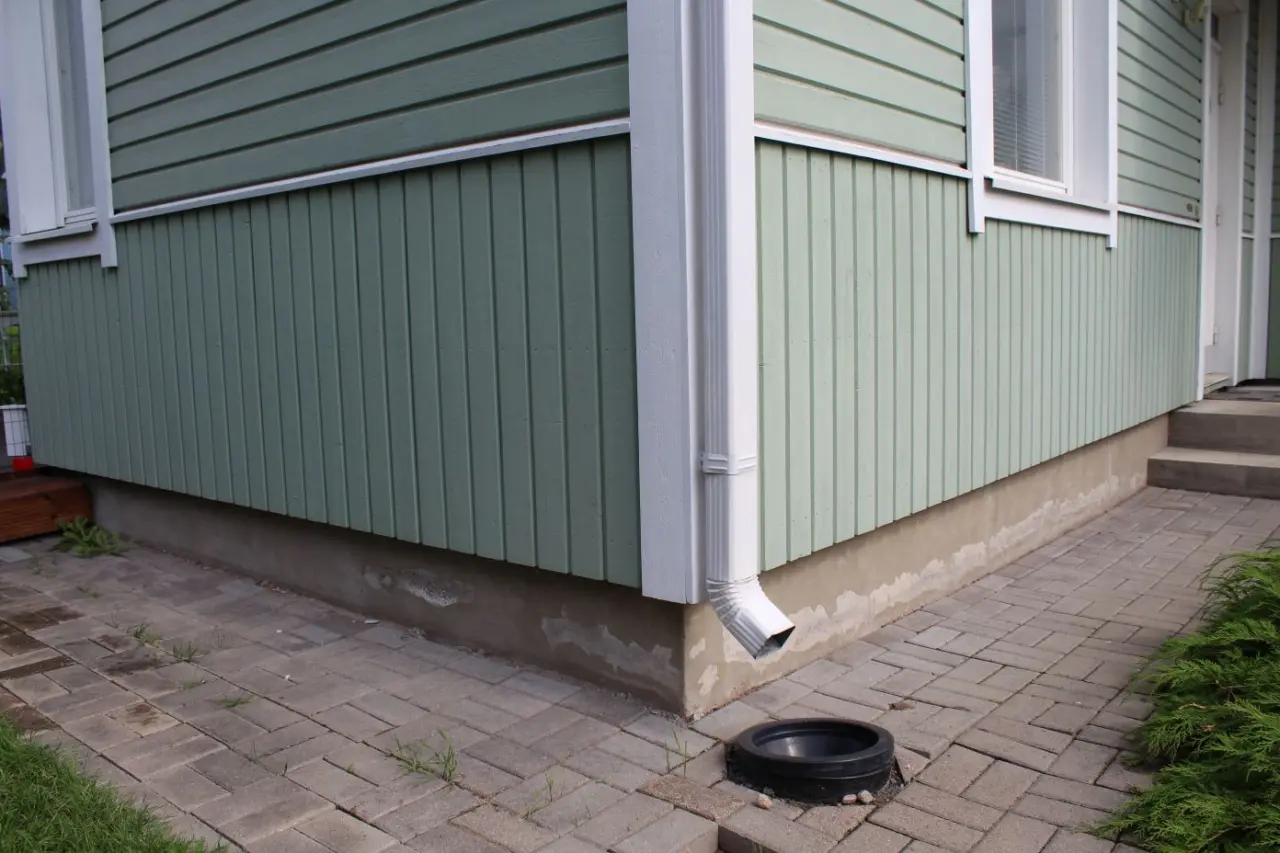
8 Signs That May Indicate Secret Problems
- Chalking on the stone foundation or peeling paint.
- Water in the basement. Water must not accumulate even in the ventilated crawl spaces under a raised foundation.
- Stale indoor air, a “basement” smell.
- Mold growth, discoloration, and cracks in the foundation.
- Ponds and wetlands next to the foundation.
- Ants indoors.
- A flower bed right up against the wall of the house is a risk
- Is rainwater and meltwater being directed properly?
Learn about the typical drainage problems found in houses of different ages
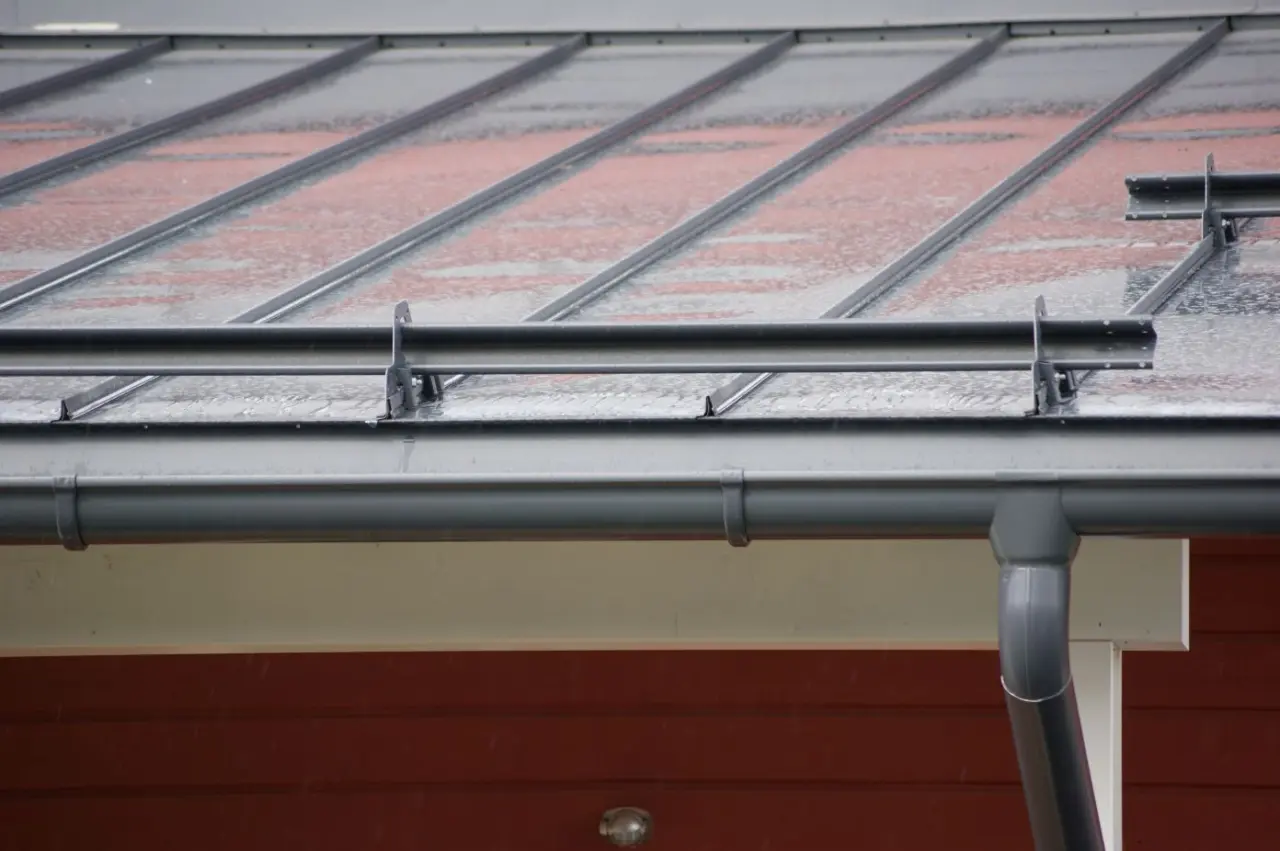
Do you know the important role that snow guards play in moisture control?
In addition to the rainwater drainage system, snow guards have a significant impact on moisture stress on the foundation. When snow guards are installed on the roof, snow melts in a controlled manner and moisture is directed into the rainwater drainage system, preventing it from putting stress on the home’s foundation structures.
Over 100,000 liters of rainwater and meltwater can flow from the roof of an average-sized single-family home into the gutters each year. If this amount of water penetrates the building’s structures, damage will inevitably occur at some point.